Madrugada. In Portuguese, this is the name for the hours before dawn. That particular darkness which already knows morning is coming. In the language I was born into, that same hour is held in a single word: zora. My name comes from it. Zoran.
I have always been drawn to the uneven, the worn, the honestly imperfect to objects that carry their age without apology, and to people with history and no past. There is a beauty, quiet and without argument, in things that have never tried to be otherwise than what they are.
What draws me most, I think, is not the breaking, and not the mending either, but that suspended moment between. When a thing has stopped being what it was and has not yet decided what it will become. Like madrugada, birth or death, in its way. A state that knows what it is leaving without yet knowing what it is arriving into.
That moment seems to me more honest than either of its ends. This is where the work begins.
A self is not a fixed thing but a chorus of voices, each with its own name and weather. Pessoa showed me this, and it explained something I had always felt from the inside but hadn’t yet found words for.
Most of what we call waking is a kind of sleep. Gurdjieff and Ouspensky both said this, in their different ways, and both times it arrived like something I had already suspected but lacked the courage to think clearly.
There is a Buddhism that does not ask you to leave your life but to enter it more fully. A practice of attention rather than escape. That distinction changed something in how I understood what I was doing.
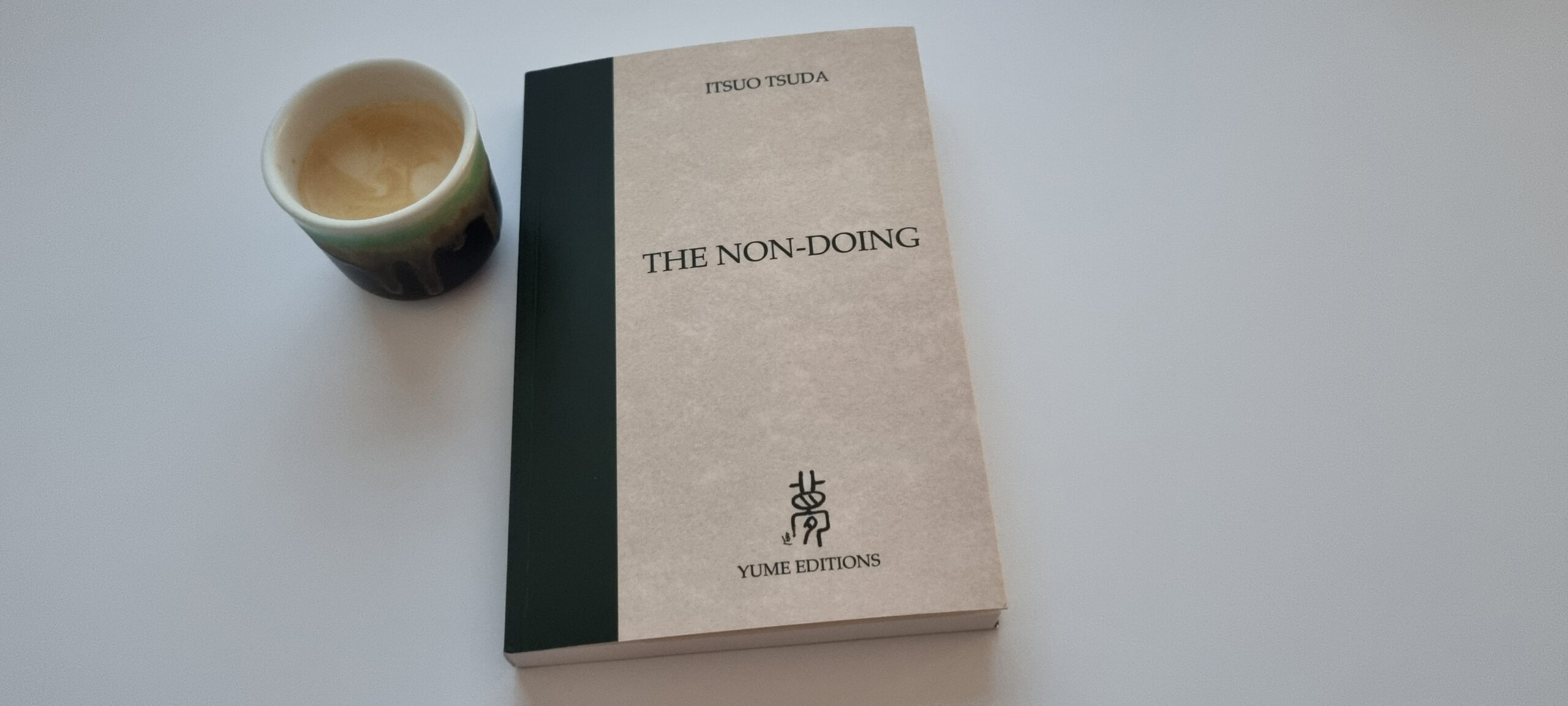
Beauty lives closest to sorrow, and the soul carries its grief the way a river carries its colour, always, and without shame. Andrić, Selimović, Desnica. They are my literary ancestors, and I return to them the way you return to something that tells the truth about you.
A thing done slowly, with full attention, becomes a different kind of thing entirely. The Japanese writers I keep returning to understood this, not as philosophy, but as practice. So does the lacquer. So does the gold.
There is something that happens in the mountains that I have not found a good word for. I visit mountains not to arrive at anything, not to be seen arriving, but to see how small I am, which is a thing I seem to need to be reminded of from time to time.
When the fog comes, the view closes. What opens instead is everything else. A bird whose name I don’t know, calling from somewhere in the white. The smell of wet stone and pine and something underneath both, something older, the earth breathing. Wind that doesn’t move anything visible but is everywhere. And then your own footsteps, each one separate and deliberate, as if the fog has asked you to pay attention to the simple fact of walking.
The body, deprived of distance, begins to notice what is near. This seems to me a kind of intelligence.
I visit mountains to see the world, not so the world could see me. From there, human life arranges itself into its actual proportions. Not small in a contemptuous way, but accurately small, the way a true measurement is not an insult. Everything I had believed was urgent reveals itself as merely habitual. This is useful. It doesn’t last, but it’s useful.
I don’t know why I find this comforting rather than unsettling. Perhaps I’ve always suspected I was smaller than I thought, and it’s a relief to have it confirmed.
Every piece I work on is a small argument with my own ego. The material does not care what I think of myself. The lacquer cures at its own pace. The gold goes where the crack goes, not where I would have it go.
Creating, for me, is not self-expression. It is self-examination. A chance to notice my impatience, my pride, the places where I am resisting what the work is actually asking for. Both Buddhism and Stoicism counsel the same thing, I think — a surrender to what is, and a discipline of return, day after day, to something not yet finished.
I’m looking for potters whose work I respect to build something longer-term with. Whether that means repairing your kiln accidents, giving new life to pieces that didn’t meet your standard but still carry your craft, receiving pieces your clients have broken, or collaborating on something neither of us has tried yet.
A glaze that ran. A rim that warped slightly. A colour that came out wrong. These are not failures, they are the fingerprints of a process. Kintsugi doesn’t just repair breaks, it reframes imperfection as part of the object’s story.
There’s no fixed model here. Tell me about your practice and what feels interesting to you. I read every submission myself and will follow up within 5 days to explore what might make sense.
Kintsugi repair is unhurried work. Before anything begins, I need to understand your piece, what it is, how it broke, and what it means to you.
Share a few photos and details below. I’ll review your submission personally and come back to you within 3 business days with an honest assessment, a recommended finish, and a quote. Nothing moves forward until you’re ready.